Recognizing the first indicators
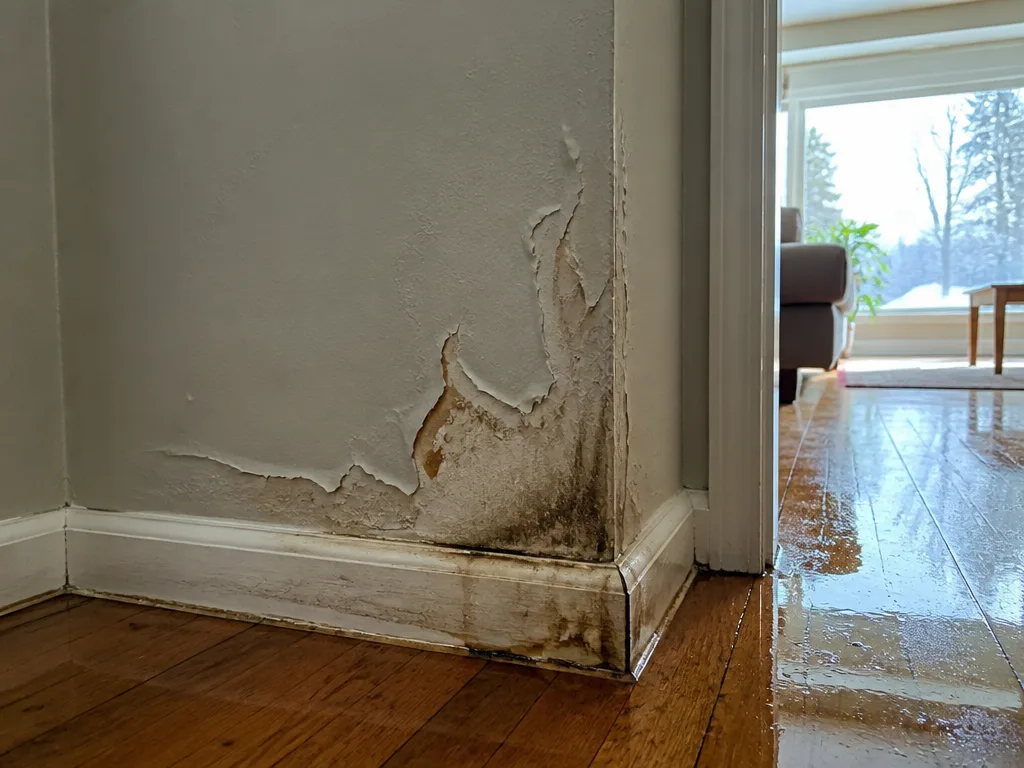
Water damage often hides behind walls and under floors. In Michigan homes, you might notice damp odors, peeling paint, or stained drywall after a storm or a hot, humid stretch. Early signs aren’t always dramatic, but they matter. Our crews in every Michigan metro look for subtle changes like warped baseboards, a musty smell, or wallpaper that seams to bubble. When any of these appear, it’s a signal to call restoration specialists to inspect and verify the extent of exposure.
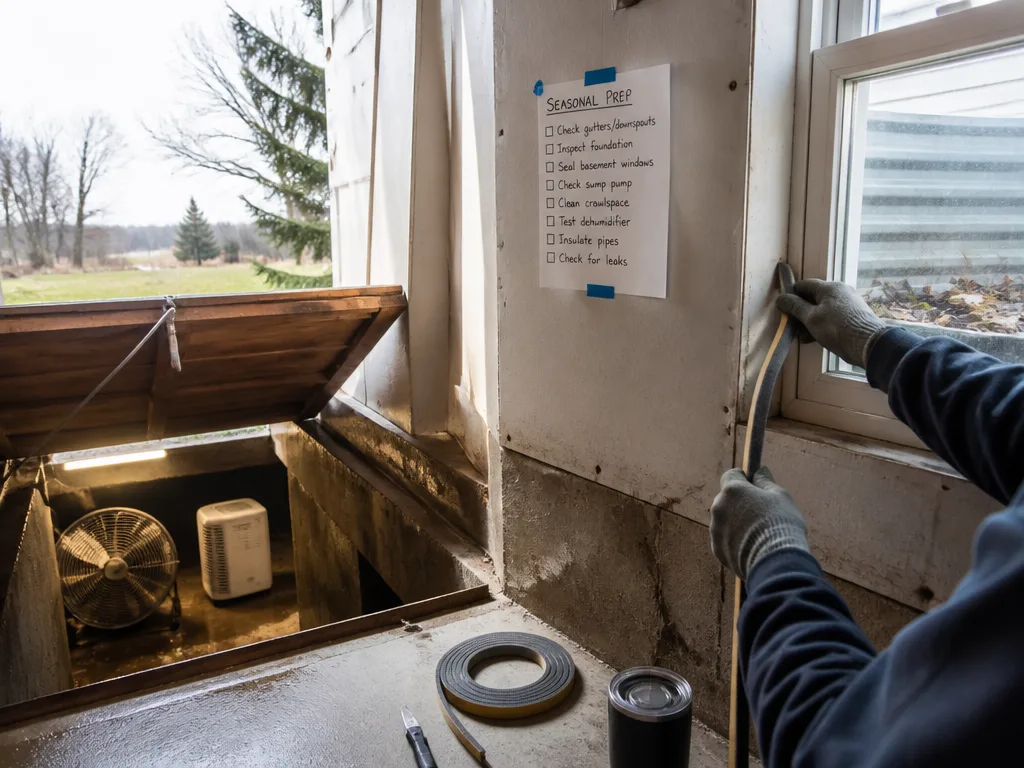
Another common clue is high humidity that won’t drop after a few days. If you see condensation on windows, persistent dampness in a basement or crawl space, or lingering moisture in a recently flooded area, it can point to hidden moisture behind walls or under flooring. In Michigan, large swings in temperature can drive condensation; that’s a pattern restoration specialists are trained to assess.
What a professional will check
Our restoration specialists use moisture meters and infrared imaging to map where water has traveled. We look for signs of material saturation, hidden mold risk, and potential secondary damage like wood rot or salt efflorescence on concrete. In Michigan, crews in every metro understand how seasonal changes affect moisture movement. We document findings and explain any steps needed to stabilize the space.
Once visible and hidden damage is identified, the next step is a practical plan. We’ll outline containment measures, material removal needs, and a restoration sequence that fits your home. It’s not about selling a service; it’s about giving you clarity on what’s happening and why it matters.
What you can do now
Start with a quick home check. Look for damp areas near plumbing lines, around exterior walls, and under sinks. If you’ve had a roof leak or a burst pipe, don’t delay, call restoration specialists who will assess the full footprint. In Michigan, it’s common for moisture to travel beyond the obvious spot, so a comprehensive inspection is worth the investment.
Keep an eye on HVAC signals as well. A humidifier running constantly or a furnace room that stays damp can indicate ongoing moisture. Remove unnecessary items from the affected area to improve airflow and avoid bumping into equipment while the team works. These steps help the restoration process stay efficient and transparent.
A practical checklists for Michigan households
- Note any musty smell that lingers more than a day or two.
- Mark any new stains on walls or ceilings with dates for reference.
- Document water exposure with photos before any cleanup starts.
If you notice any of these signs, reach out to restoration specialists for a professional assessment. Across Michigan, Michigan Water Restore can guide you through the next steps with straightforward explanations and a practical plan.